News
- Details
- Category: Press Releases
 CHICAGO – Ahora que los niños de todo el estado comienzan un nuevo año escolar, el senador estatal Javier Loera Cervantes organiza un evento de regreso a clases en preparación.
"El comienzo de un nuevo año escolar es un momento para celebrar, ya que los estudiantes se enfrentan a nuevas aventuras y experiencias," dijo Cervantes (D-Chicago). "Mi evento de regreso a clases es una gran oportunidad para ayudar a los estudiantes a prepararse para el próximo año."
- Details
- Category: Press Releases
 CHICAGO – As children across the state start a new academic year, State Senator Javier Loera Cervantes is hosting a back to school event in preparation.
“The start of a new school year is a time for celebration, as students are moving on to new adventures and experiences,” said Cervantes (D-Chicago). “My back to school event is a great opportunity to help students prepare for the upcoming year.”
- Details
- Category: Press Releases
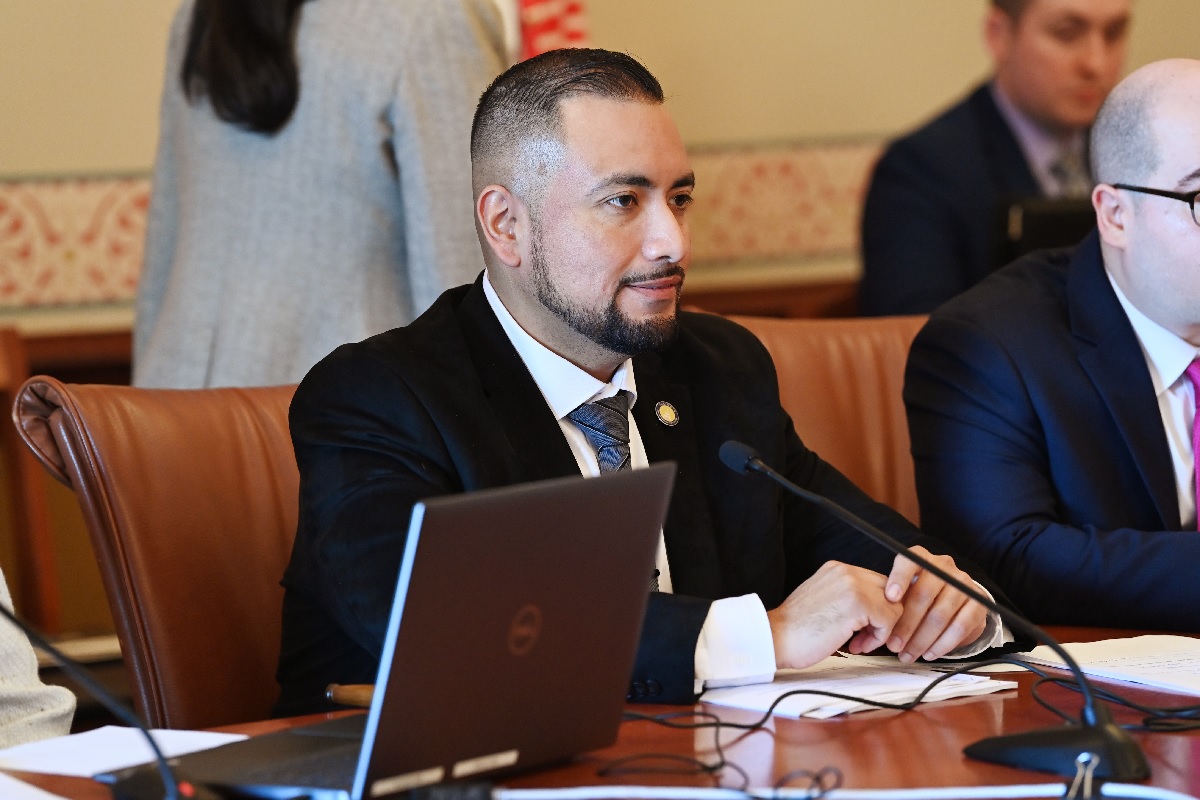 CHICAGO – State Senator Javier Loera Cervantes is sharing disaster assistance for residents impacted by the summer storms on July 27 and Aug 9-11. Families and businesses in Cook County may be eligible to receive recovery assistance from the U.S. Small Business Administration, as well as waived tax interest and penalties.
“The recent storms have wreaked havoc on our communities, and residents throughout my district and the state are still dealing with the aftereffects,” said Cervantes (D-Chicago). “Providing resources for these residents and businesses will help them get back on their feet and get them through this unexpected event.”
- Details
- Category: Press Releases
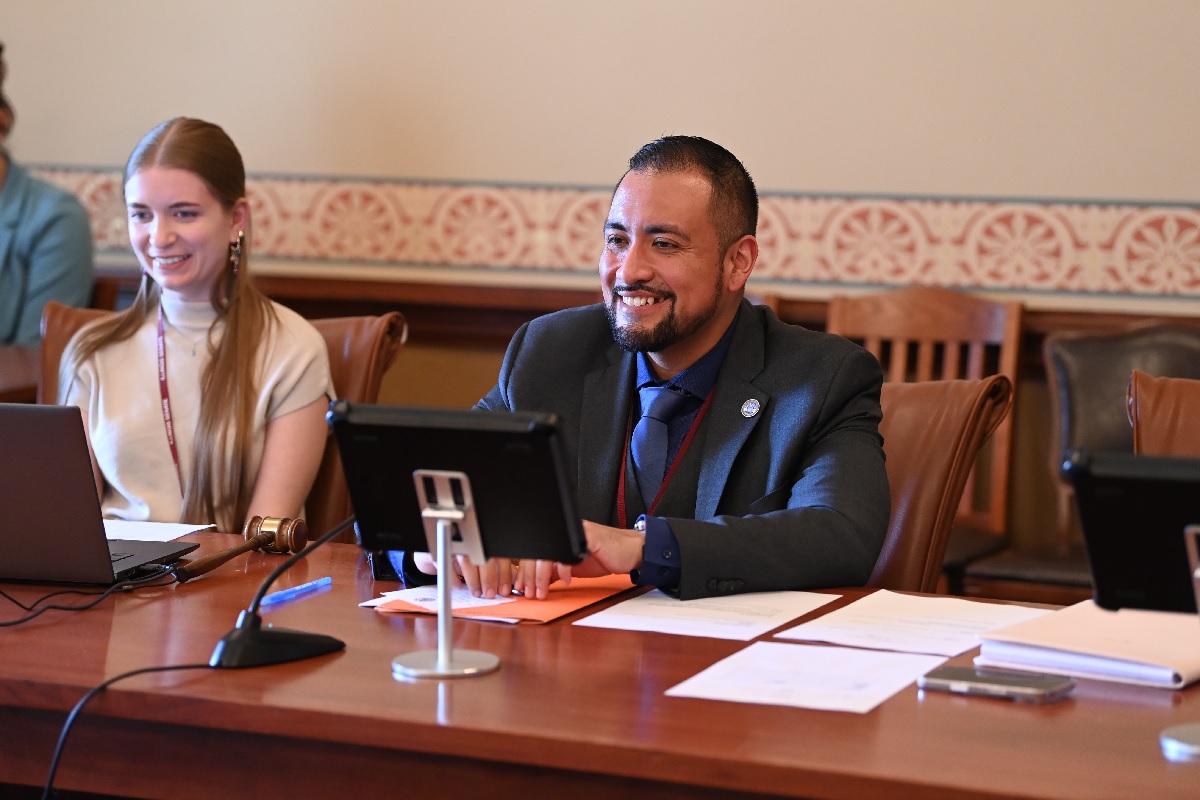 CHICAGO – State Senator Javier Loera Cervantes is proud to announce that three organizations in the 1st District will be receiving over $240,000 for literacy program enhancements, volunteer training and more.
“Giving our libraries the resources to grow their services and expand what they offer is key to making learning materials accessible to every person, no matter where they live, their income or their education level,” said Cervantes (D-Chicago). “These grants will help enhance literacy programs and library services, giving families across the 1st District a greater opportunity to learn and grow.”
More Articles …
- El Caucus Legislativo Latino de Illinois responde a la decisión sobre tasas escolares y ayuda financiera para estudiantes indocumentados
- Illinois Legislative Latino Caucus responds to ruling on tuition and financial aid for undocumented students
- Cervantes releases statement on Mark Twain Elementary School shooting
- Cervantes law to boost quality of care at disability service agencies
Page 2 of 38
Follow Sen. Cervantes




Newsletter
Contact Info
Springfield Office:
625 Capitol Building
Springfield, IL 62706
(217) 782-9415
District Office:
6729 Stanley Ave.
1st Floor, Suite A
Berwyn, IL 60402
(773) 869-9050